
An interactive sensory room creates a responsive environment where users can explore light, sound, movement and projected images through interactive activities. These spaces can encourage sensory exploration, communication, physical activity and learning, with experiences adapted around different ages and abilities.
Amazing Interactives provides interactive systems for schools, SEND settings, care environments and other organisations. Our technology can transform floors, walls and other surfaces into interactive areas where users participate through movement, creating engaging experiences without relying on traditional handheld controls.
From calming activities to games that encourage movement and participation, the room can change around the needs of its users.
Read more: What Are the Benefits of Sensory Rooms for Children With SEND?
Interactive sensory rooms combine sensory equipment with responsive technology to create experiences that react to the people using the space.
An interactive projector for a sensory room can display images, effects and games across the floor or wall. Motion-sensing technology detects movement and allows the projected content to respond instantly.
A user might move across a projected floor to create visual effects, interact with objects displayed on a wall or take part in activities based around cause and effect. The hands-free nature of the system also makes activities accessible to users who may find traditional controls difficult.
The experience can change from calm visual exploration to more active games and group activities, giving staff flexibility around how the room is used.
Interactive projection can turn different surfaces into responsive areas for play and exploration.
A sensory room interactive floor gives users a large area to explore through their feet, hands or whole-body movement. Projected images react as people move across the floor, creating an immediate connection between an action and what happens on screen.
This can support cause-and-effect learning, physical activity and exploration. Users might follow moving objects, interact with images, participate in games or experiment with different visual effects.
Projection can also provide a flexible alternative to a traditional sensory room interactive mat. Instead of being restricted to one physical mat or fixed activity, the projected area can change between games, images and experiences.
Depending on the system and room configuration, activities can also be displayed on walls or tables. This gives staff options for users who prefer standing, moving across the floor or taking part from a seated position.
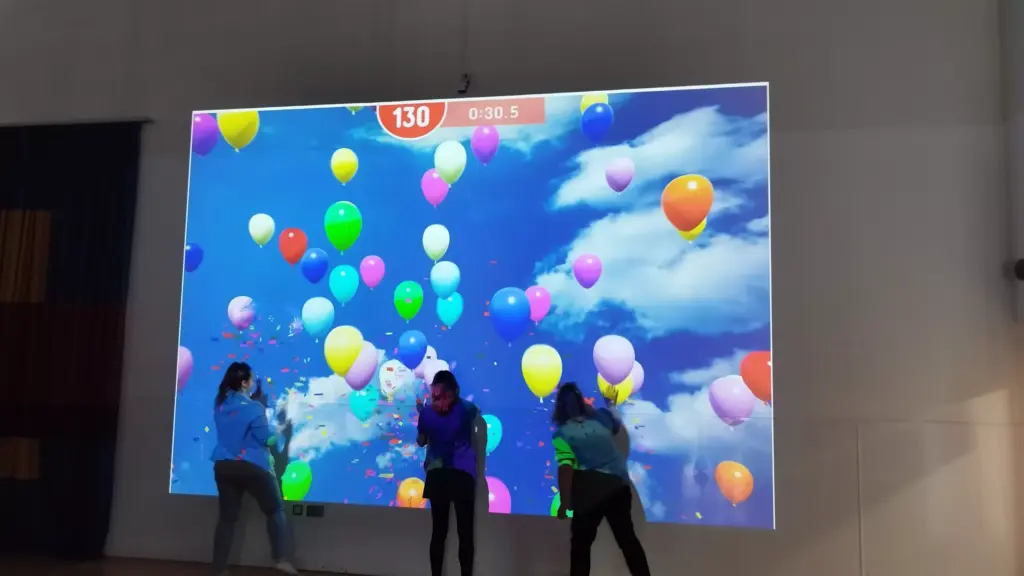
Interactive sensory spaces can give SEND pupils different ways to participate based on their individual needs and abilities.
For pupils who find speech, writing or traditional input methods difficult, interactive projection provides another form of communication and participation. They can respond through movement and receive immediate visual or audio feedback from the system.
Activities can support social skills through shared play, turn-taking and group interaction. Pupils can participate alongside their peers without spoken communication being required for every activity.
For children with autism or ADHD, structured sensory breaks can provide a change of environment and help with focus. Calmer activities can also provide a controlled setting where users have time away from a busy classroom.
Interactive light displays encourage exploration and curiosity, with cause-and-effect activities helping users understand how their actions influence the environment around them.
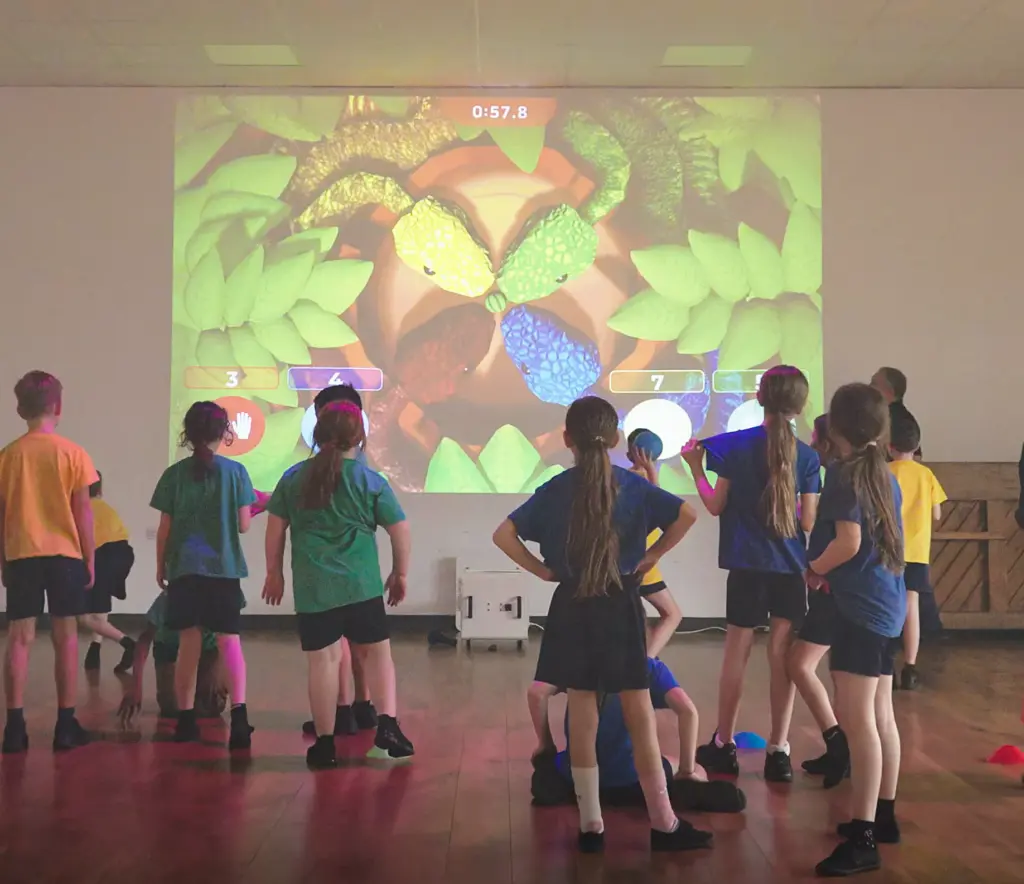
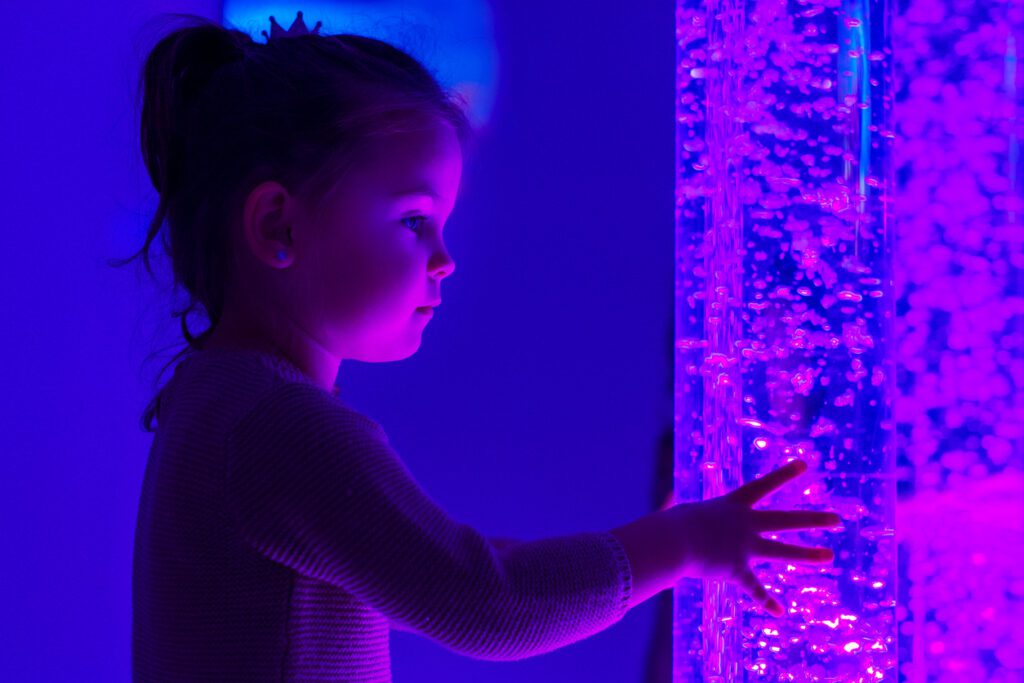
Interactive projection can encourage users to reach, step, move and explore.
Games can be designed around movement, coordination and spatial awareness, complementing other sensory equipment such as swings and balance boards. Activities can be selected according to ability so users can participate at a level that suits them.
Multiple people can also use the interactive floor together, creating opportunities for group play and shared experiences.
This gives schools and other settings the ability to combine sensory exploration with movement and physical development within the same space.
Interactive sensory technology can also be used in care homes and other care environments.
Projected images, familiar scenes, music and sensory cues can create activities for residents. Familiar content can encourage conversation and memory recall, with calmer experiences providing opportunities for physical relaxation.
Staff can select activities based on the people taking part, allowing the same equipment to support individual and shared sessions.
The ability to vary the content also means the experience can change without staff needing to replace the physical equipment within the room.
Interactive systems provide a range of ready-to-use content, with options for creating more personalised experiences.
Depending on the system, custom content can incorporate your own images and themes. This could include recognisable people, places, objects or educational material.
Using familiar images can be useful for activities based around recognition, communication or memory. Videos and other digital content can also add greater variety, giving staff more options when planning sessions for different users.
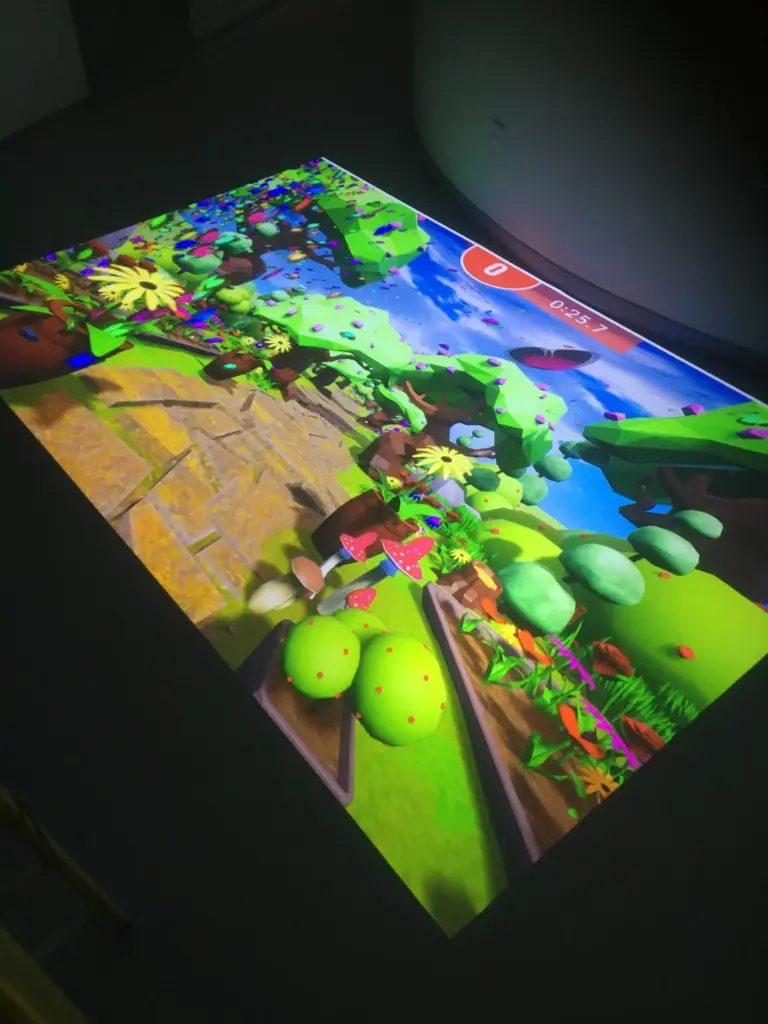
Not every organisation has space for a permanent dedicated room.
Portable interactive equipment allows projection to be moved between rooms and used by different groups. This can suit schools, care settings and organisations that need to share equipment across several spaces.
A portable system can also provide a practical way to introduce interactive activities without permanently changing an existing room.
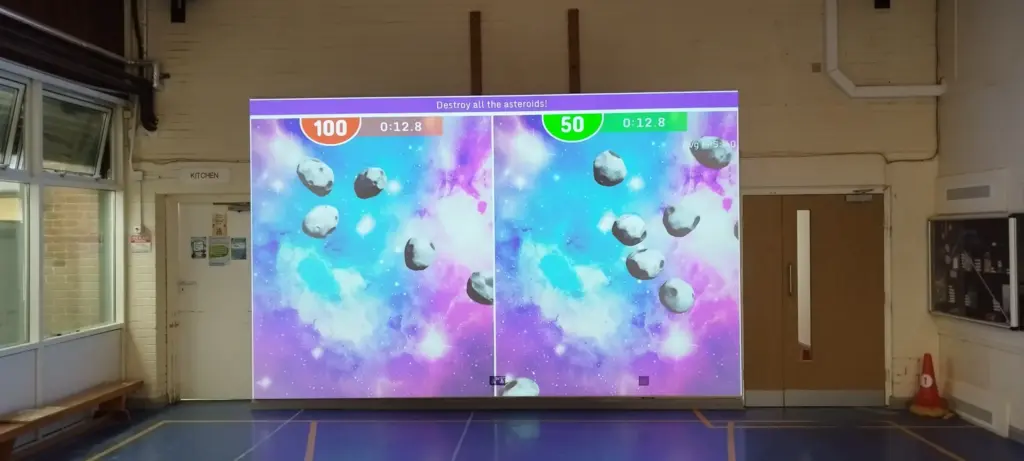
Interactive systems can be adapted for a range of environments, including:
The right system will depend on the available space, the people using it and the activities you want to provide.
Amazing Interactives provides interactive projection systems that transform ordinary spaces into areas for exploration, movement, learning and play.
Whether you are planning a new interactive sensory room or adding interactive equipment to an existing space, our team can help you find a system suited to your users, room and intended activities.
Speak to Amazing Interactives about interactive floors, walls and sensory room interactive projector options for your space.

Are you looking for a new website? Contact Outrank Today